You said, we did: Improving quiet spaces in FSE
The FSE Neurodiversity Project works with student partners to explore the experiences of neurodivergent students and identify practical ways to make teaching, learning and the wider University environment more accessible. As part of this work, student partners have gathered student feedback and reviewed quiet spaces available across campus, helping to identify where improvements could be made.
The review found that most students who responded would find quiet spaces helpful, but awareness and accessibility could be improved. Students highlighted the importance of quiet spaces being nearby, easy to find, not too busy and comfortable, with soft furnishings available.
The audit identified two student-accessible quiet/welfare spaces in FSE buildings, in the Nancy Rothwell Building and the James Chadwick Building. While these provided students with somewhere quieter to go, the review identified opportunities to make them more welcoming and supportive, including improving soft furnishings, providing sensory resources and improving wayfinding.
What have we done?
Following the feedback and recommendations:
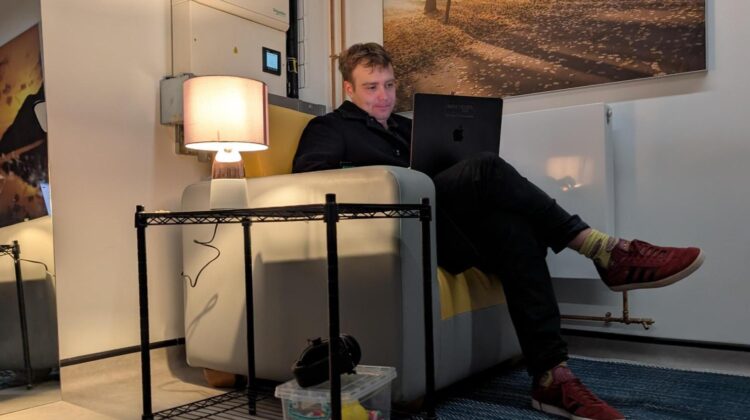
- Soft furnishings and sensory resources were purchased to help make the spaces more comfortable. Student partners worked with the team responsible for the Engineering spaces, who supported the addition of soft furnishings and sensory equipment.
- Warm lamps and fidget/stim toys were identified for the Engineering quiet spaces, helping to provide students with more options within the environment.
- A rug has now been added near the armchair in the Nancy Rothwell Building undergraduate welfare room, making the space more comfortable.
- Work is continuing around the James Chadwick welfare room, where further soft furnishings could be useful. Student partners are also looking at improving signage to make the room easier for students to find.
These changes are a direct response to the feedback gathered through the project and show how student insight can help us make practical improvements to spaces across FSE.
The Neurodiversity Project will continue to build on this work and look at ways we can make our learning environments more inclusive and accessible for neurodivergent students.