
Empowering students beyond the classroom: Meet Wennie Subramonian
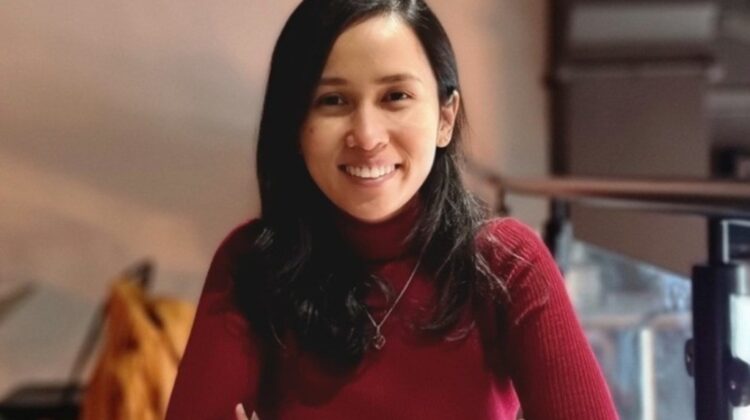
Wennie Subramonian, Senior Lecturer in the Department of Chemical Engineering, has built a teaching approach that goes far beyond the lecture theatre. Through a combination of innovative teaching, student partnerships, mentoring and outreach she is helping students develop confidence, skills and a strong sense of belonging. Recently nominated for a Distinguished Achievement Award, we spoke to Wennie about what drives her work and the impact it’s having.
Your work spans teaching, mentoring and outreach. What motivates your approach?
At the core of everything I do is student success. I want students to grow not only in their academic knowledge, but also in their confidence, especially when approaching challenges. For me, teaching goes beyond delivering content. It’s about creating a supportive and inclusive environment where students feel capable, valued and able to contribute meaningfully beyond the classroom.
Has that approach developed over time?
Yes, definitely. When I first joined Manchester, I was teaching cohorts of around 180 students and that has now grown to 230. I had to think carefully about how to make students feel seen and supported in such a large group besides providing personalised feedback by walking around the lecture theatre during problem-solving. Over time, I’ve adapted my teaching by using tools like live quizzes during sessions, digital whiteboards and video-style assessment feedback. It has been a gradual process of trying new approaches, listening to students and building on what works.
You involve students as partners in projects. Why is that important to you?
Students are incredibly motivated when they can see the value of what they’re doing and feel recognised. I want them to see themselves not just as recipients of knowledge but as contributors.
I’ve seen my students present at national-level conferences with real confidence and that sense of ownership and belonging is really powerful. It also gives them valuable experience they can take forward into their careers.
I want students to grow not only in their academic knowledge, but also in their confidence, especially when approaching challenges.
Your sustainability outreach work has reached over 1,000 people. What impact have you seen?
One of the biggest things I’ve learned is how important it is to make sustainability accessible. People often think topics like carbon footprint are too technical or not relevant to them, so we try to present them in everyday terms. For example, in our workshops we talk about body wash or scented items and explain that even something as familiar as lavender can have a carbon footprint because of the land, harvesting and processing involved. Comparing that with other options, such as rosemary-scented products, helps people see how small choices can still be informed. This shifts sustainability from something abstract to something practical, helping people feel more confident making informed decisions in their everyday lives.
I have to credit the Faculty of Science and Engineering Social Responsibility Team, who first introduced me to outreach through events like Green Together at Manchester Central Library, and more recently FunLab at the Trafford Centre with over 15,000 in engagment numbers per day for British Science Week. Their support really helped me understand how to translate academic ideas into something meaningful for the wider community.
You’re also involved in mentoring Graduate Teaching Assistants (GTAs). What makes effective teaching mentorship?
I’m part of the Mentoring Excellence Programme led by colleagues Tom Rodgers, Claudia Henninger and Aurelie Le Normand. My role is to support GTAs working towards Associate Fellowship of the Higher Education Academy. For me, effective mentorship is about creating a supportive space where GTAs can reflect on their teaching, build confidence and develop their own identity as educators. I share my own experiences, including both challenges and successes, but it’s about guiding them rather than prescribing one way to teach.
Your teaching makes strong use of digital tools. How do these support student learning?
Tools like digital whiteboards and screencasts help me break down complex problems step by step, while giving students the chance to revisit material at their own pace. That’s important because students learn in different ways. Live quizzes also help me understand where each cohort may need more support, as it isn’t always the same topics that students find challenging. This means I can tailor sessions in real time and make learning more inclusive and responsive.
I want students to feel confident applying for jobs, confident speaking up and confident contributing their ideas. I want them to know their voice matters and that they are capable of making a difference.
You’re passionate about equality, diversity and inclusion. How does that shape your work?
EDI shapes a lot of what I do beyond the classroom. I’ve developed professional skills workshops to help students prepare for placements and graduate roles, including sessions with industry speakers on navigating conversations around identity, inclusion and workplace challenges.
More recently, I’ve been leading a Women in STEM professional development series, working with past Women in Engineering Society 50 winners and collaborating with student groups including Black Heritage and Manchester 10/10. The aim is to create more equitable access to opportunities, particularly for underrepresented groups, while remaining open to all students.
What do you hope students take away from their experience of working with you?
If I had to sum it up in one word, it would be empowered. I want students to feel confident applying for jobs, confident speaking up and confident contributing their ideas. I want them to know their voice matters and that they are capable of making a difference. If they leave feeling supported, valued and empowered then I feel I’ve done my job.
Finally, how long have you worked at the University and what has your journey looked like so far?
I joined The University of Manchester in 2022. Before that, I worked at Teesside University where I progressed from lecturer to senior lecturer and course director. I joined Manchester as a Teaching and Scholarship Lecturer in Chemical Engineering and have recently become a Senior Lecturer. I’m also currently Deputy Admissions and Outreach Lead, which feels like a natural progression because outreach has become such an important part of my work.