My experience as a mapping sustainability intern
Hi, I’m Temiloluwa Aboderin and I’m currently a 4th Year MEng Materials Science and Engineering student at the University of Manchester. Over the summer, I interned with the Department of Materials to map sustainability within the curriculum. I’ve always been interested in and engaged with sustainability – from learning about it at different stages of my education to actively advocating for it through volunteering with food waste charities such as FareShare and the university’s student-led zero waste shop, Want Not Waste. For me, sustainability should be embedded within every aspect of our lives, and I try to ensure that my actions reflect my beliefs. Embarking on this internship was therefore one of the many ways I could combine my existing knowledge and passion for sustainability with my university degree.
Before starting this internship, I had a foundational understanding of sustainability and understood, more generally, why it is important for students to be equipped with sustainability knowledge and related skills. Although I had not undertaken any curriculum mapping projects before, I found that, with the support of my supervisors, I was able to quickly acquire the skills and further knowledge required to carry out the project successfully. I also recognised some of the relevant skills that I already possessed – such as communication, data collection and data visualisation – which were helpful in undertaking the project. I believe the main attributes that helped me along the way were my enthusiasm, curiosity and desire to explore ideas beyond the surface level. These qualities encouraged me to go beyond what was initially asked of me, ask new questions and investigate topics in greater depth – particularly during interviews. As a result, by the end of the project, I had gained new perspectives and developed a deeper understanding of sustainability frameworks, concepts and approaches.
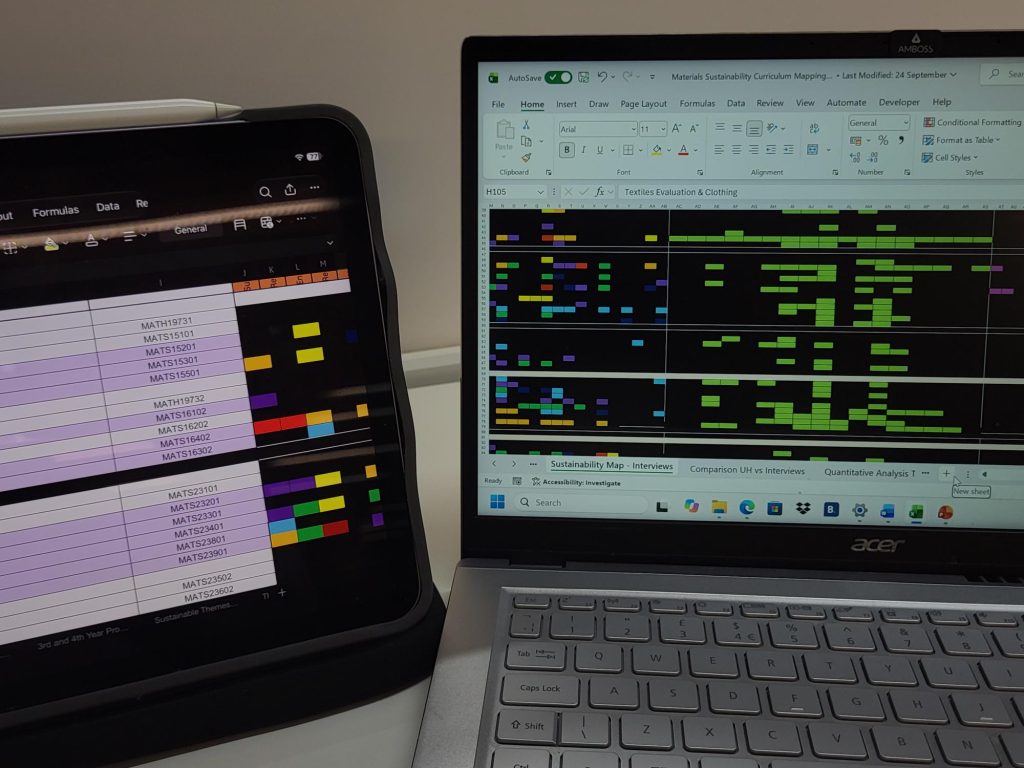
During the internship, I mapped out what sustainability content was taught, how it was taught and the depth in which students engaged with it (or were expected to engage with it). I drew on existing sustainability frameworks, such as Engineering for One Planet, alongside educational concepts such as Bloom’s Taxonomy. These helped me define what sustainability could look like in the context of materials science and engineering and assess the levels of engagement students were expected to demonstrate, from understanding concepts to applying, analysing and evaluating them. The early stages of my internship involved reviewing literature and familiarising myself with key documents relating to embedding sustainability in the curriculum, such as Advance HE’s Education for Sustainable Development. This stage was essential in helping me develop insightful and useful questions that would inform the majority of my mapping work. Without this foundation, I might have struggled to identify the right questions to ask and determine which information would be the most relevant to my final deliverables.
What I enjoyed the most about my internship was interviewing academics across the department. I found it fascinating to hear the diverse perspectives academics brought to the question of what sustainability meant to them and how they approached integrating it into their units. Hearing their individual thoughts and opinions, particularly as many were both academics and active researchers working with companies or industry partners, challenged my own thinking and encouraged me to reflect on how language and educational backgrounds can influence how people interpret and understand sustainability. For some academics, sustainability centred on optimisation, efficiency and performance within industry whereas for others, they took a broader view that encompassed social responsibility and ethical considerations alongside economic factors.
I was also surprised by my findings. Given the nature of my degree, I had expected sustainability to be more explicitly integrated into the curriculum. However, my mapping suggested that relatively few units explicitly incorporated sustainability and the depth at which students engaged with it varied considerably. In particular, relatively few units appeared to require students to engage with sustainability at the higher cognitive levels of Bloom’s Taxonomy, such as application and evaluation. One of the most fulfilling aspects of the project was seeing academics reflect on how they could make the sustainability content already present in their teaching more explicit. It was rewarding to know that my work could help inform future curriculum development and positively influence the next generation of materials scientists. Whilst students may already be passionate about sustainability, they may not always have sufficient opportunities to explore perspectives or engage with sustainability more explicitly through their degree.
Additionally, I valued the opportunity to speak with people I might not otherwise have had the chance to meet, such as Jennifer O’Brien, the University of Manchester’s academic lead for sustainability and founder of the Living Labs initiative, and Laura Cohen, a Visiting Professor and Chief Executive of the British Ceramic Confederation who delivers guest lectures within the department. Their insights offered refreshing and distinctive perspectives.
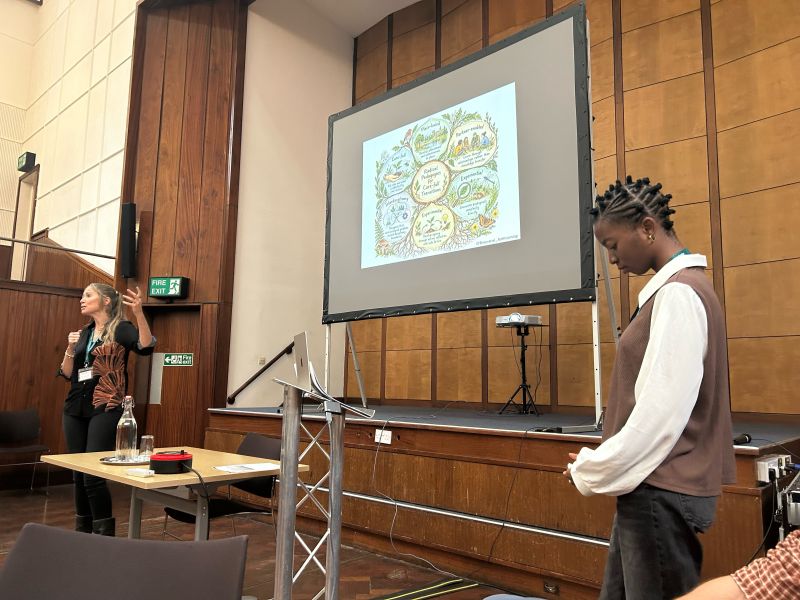
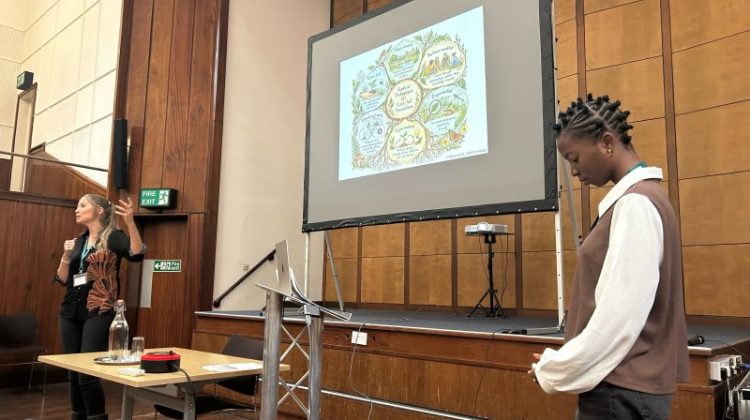
Furthermore, my in-depth conversation with Jennifer O’Brien led to an invitation to speak alongside her at the symposium ‘From Knowledge to Action: Transforming Higher Education for Climate Resilience’. The event focused on how higher education institutions, such as the University of Manchester, can take greater action to address climate change and build climate resilience. In my speech, I drew on some of my research findings to discuss the importance of radical pedagogy in preparing young adults in higher education, including students like me, for a sustainable future. I also explored why developing green skills within universities is essential and highlighted the often-overlooked importance of human connection in driving sustainability efforts. This closely related to my internship project which investigated the green skills academics believed students developed through their units. Overall, the event was a valuable experience that gave me a platform to contribute to and further discussions about sustainability within higher education.
This project also challenged me to build on my communication skills as I had to interview many professors with different communication styles. The experience made me more confident in how I communicated, particularly when asking questions and discussing complex topics. By the end of the internship, I felt much more assured in by ability to communicate effectively about sustainability in higher education. It also strengthened my ability to adapt to different situations and audiences. For example, during interviews, I sometimes adjusted my questions or changed my approach to ensure I could obtain the information I needed from the person I was speaking to. Another challenge was learning to communicate both qualitative and quantitative data in different formats. I had to produce a formal report alongside simplified visualisations that could communicate my findings to people who were less familiar with the project. This taught me not only how to write in depth about a subject that I had researched intently on, but also how to adapt my communication to suit different audiences, including those without the specialist knowledge of the research.
Although writing the report challenged me, my enthusiasm for the project made it particularly rewarding to bring together everything I had learnt. I also enjoyed exploring creative ways to visualise my findings and greatly appreciated the feedback and guidance I received from my supervisors throughout the process. Reflecting on the project, I recognise that there were areas I could have improved, particularly in automating some parts of my data analysis. Nevertheless, I am pleased with my final deliverables and what I was able to achieve. Whilst I had developed some skills through my degree (such as report writing and presenting information), applying them to a project of this scale, with findings intended to inform senior departmental decision making, pushed me to refine them further. It gave me a greater appreciation of the importance of presenting research clearly, accurately and meaningfully to support decision making.
Overall, I am really grateful to have had this opportunity, and I am excited to become involved in more projects relating to sustainability. The experience reaffirmed my existing beliefs whilst encouraging me to ask more questions about where and how sustainability is incorporated into education as well as what more can be done to support a sustainable future for us all. Finally, I look forward to seeing what future work is done to further embed sustainability not only within my department’s curriculum but also across the School of Natural Sciences and within other schools and faculties in the university.