Foundation Studies and the NSS: Building the student experience from year zero
As part of this year’s NSS action planning cycle, Foundation Studies has developed its own plan. Although students in foundation year will not complete the National Student Survey until the end of their undergraduate degree, it is important that meaningful, long-term improvements to the student experience are embedded from the very start of the journey.
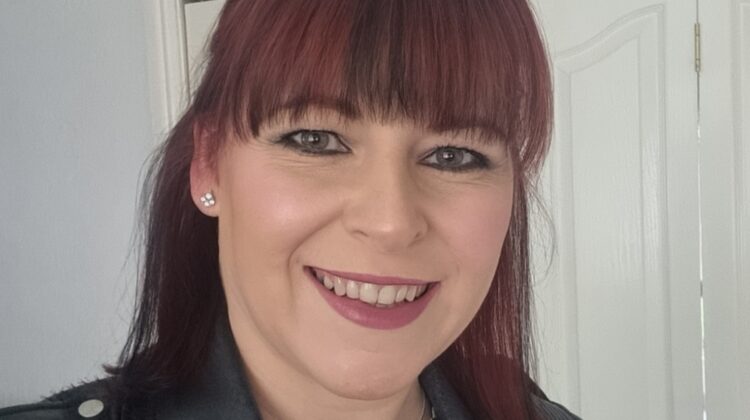
We spoke to Susan Ryles, Faculty Student Service Support and Development Manager, about how the plan was developed and what it means for foundation year students.
This is the first time that Foundation Studies has had its own NSS action plan, what prompted that?
Although the NSS focuses on final-year students, the actions behind it should run throughout the entire student lifecycle. At first, there were questions about whether Foundation Studies needed to be included, but everything we do contributes to their whole student experience. If we want consistency in teaching, assessment, communication and student voice, that has to begin at foundation year. Students might reference something from ‘Year 0’ in their final-year comments, so it makes sense that we’re part of the planning from the start. It was therefore agreed at University-level that Foundation Studies would develop its own action plan alongside the Schools, ensuring we are embedded in the wider approach rather than working separately.
How did you go about developing the plan?
We began with the University NSS 2.0 action framework and took it to our Foundation Studies Discipline Teaching and Learning Student Experience Committee (DTLSEC) which includes academic and Professional Services colleagues. We looked at what we were already doing, where we were aligned with School processes and where there were gaps. In some cases, we realised the activity was happening but wasn’t clearly collated or communicated to students, so part of the work has been about improving clarity and visibility. We’ve also made sure we align closely with School processes so that students experience continuity when they progress into Year 1.
If we want consistency in teaching, assessment, communication and student voice, that has to begin at foundation year
Were there any challenges in aligning Foundation Studies with the wider School plans?
Yes, mainly because Foundation Studies sits slightly differently within the Faculty structure. We don’t sit under a single School or Department – we sit at Faculty level and feed into multiple disciplines. That makes alignment more complex as we need to map our activity across different areas rather than track it within one School.
Timing was also a challenge. The Schools had already been progressing their NSS 2.0 work, building on a full year of activity under NSS 1.0, whereas Foundation Studies was brought into the process at a later stage. This meant we had a shorter timeframe to implement actions and report on progress during our first cycle. However, once the team understood the purpose and long-term value, there was strong engagement.
What actions have already been implemented?
One of the early developments has been the introduction of a Foundation Studies newsletter for students, alongside work to bring key information together in clearer, more accessible formats, strengthening communication and ensuring students can easily find the information they need. We are also strengthening how we celebrate successes, creating opportunities for students and staff to share positive experiences and achievements.
How are you measuring impact, given that Foundation Year students won’t complete the NSS for a while?
That’s one of the unique aspects of Foundation Studies. Students in the current cohort who successfully progress into Year 1 will not complete the NSS until their final year, so we will not see their responses for several years. This means we need to measure impact in other ways, particularly through Student Voice Committee feedback, surveys and ongoing monitoring at DTLSEC. We’re also exploring ways to reconnect with students once they move into Year 1 so we can show them how their feedback during foundation year led to change. Even if improvements won’t directly affect them once they’ve progressed, it’s important they see that their voice has shaped the experience for future students.
It has reinforced that Foundation Studies is not separate from the student journey; it is at the very start of it
Beyond the action plan itself, what impact has this work had on the team?
It has created valuable space for reflection and prompted wider conversations about what more we could do to enhance the student experience. For example, we are now exploring the idea of a Foundation Studies progression or celebration event to recognise students moving into Year 1. We are also considering how foundation year students can be better recognised in Faculty awards and how we can more consistently celebrate achievements across the year. Having structured time to focus on improvement has generated new ideas that go beyond the original NSS actions.
What lessons have been learned from this first year?
It has reinforced that Foundation Studies is not separate from the student journey; it is at the very start of it. Embedding consistency ensures students experience a coherent approach to teaching and learning, feedback, communication and student voice throughout their degree. Ultimately, this work is about building a strong foundation so that when students reach their final year, they reflect on a positive and consistent experience that began the moment they joined foundation year.