
Working together in FSE to enhance the student experience
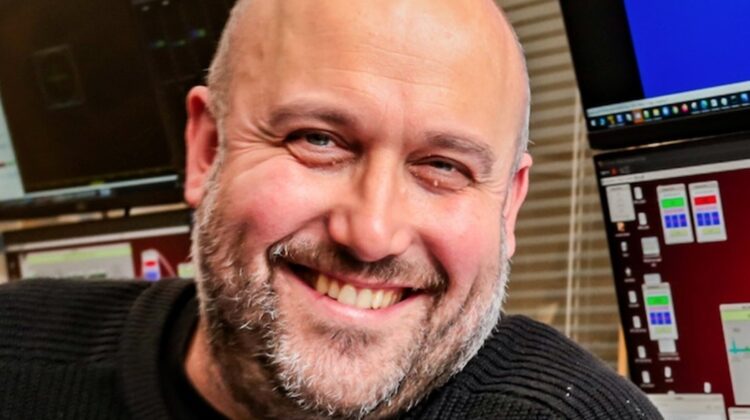
Last year’s NSS action plan saw colleagues across FSE working more collaboratively than ever to improve the student experience. Rob Appleby, School Head of Education for the School of Natural Sciences, looks back on what’s been achieved, the lessons learned and how this year’s plan aims to take that progress even further.
Looking back on last year, how did colleagues across FSE work together to deliver and implement the NSS action plan?
Last year, colleagues across FSE took a more integrated and collaborative approach to delivering the NSS action plan. This was supported by the introduction of the ‘One University’ actions, which helped to create a more joined-up way of working across the University and its Faculties.
Each School took ownership of its own plans, supported by the Faculty-level action planning group co-chaired by Peter Green and Martin Schröder. This group brought together colleagues from academic and professional services backgrounds to ensure consistency and shared learning across FSE. Leadership teams within Schools, including Heads of Education and Heads of Teaching, Learning and Student Experience, worked closely with staff at all levels to embed actions within each Discipline.
What were some of our biggest successes or areas of progress last year?
A major success last year was placing the student voice at the heart of everything we did. We focused on ensuring students were actively involved in shaping decisions not only through formal committees, but through consistent, open dialogue.
Over the past 18 months, I’ve personally had more conversations with students than ever before which has been incredibly valuable. This approach has empowered our student reps and Students Union Executive Officers to work alongside us in developing solutions. We recognised that improving the student experience isn’t something we do for students, but with them.
We also made significant progress in driving greater consistency across Departments, focusing on simple but important aspects such as clear assessment deadlines and improved access to feedback. I believe that this consistent approach, combined with genuine student partnership, has underpinned many of the positive improvements we’ve seen in our NSS results.
What were some of the challenges and lessons learned from last year?
While we’ve made great progress, consistency isn’t yet fully achieved. There are still areas where we can improve, so one lesson is the need to keep embedding these basics and ensuring they become part of everyday practice rather than a one-off exercise.
Another key lesson has been around how we use digital tools and data to support teaching and learning. Last year highlighted both the opportunities and the challenges of making better use of these systems – from tracking feedback and assessment deadlines to ensuring staff and students have clear, timely information. We’ve learned that technology can be a powerful enabler, but only when it’s supported by the right processes, training and resources to make it work effectively.
Building on last year’s success, what’s different about the NSS action planning process this year?
The overall framework remains largely the same however a new focus area – Organisation and Service Excellence – has been introduced alongside Assessment and Feedback and Student Voice, which continue to remain key priorities for the University.
This new area covers things like consistent communication of assessment dates and deadlines within each unit and ensuring students have a clear overview of key milestones at programme level. It also includes University-wide actions such as maintaining 99% Canvas uptime which is essential if we’re making Canvas central to students’ learning experience.
On that, another change this year is that actions are now set not only for Schools and Faculties, but also at University level. This means the University itself has clear responsibilities within the plan, ensuring accountability and alignment at every level.
We’re also working toward greater consistency across the University in areas such as the moderation of marks, ensuring that a student studying Physics has a comparable experience to one studying Geography.
Finally, actions are now more clearly labelled according to their level – whether at unit, Discipline, School, Faculty or University – helping everyone see where responsibility lies.
Last year’s group included student representatives and Student Communications. Will that partnership continue?
Absolutely. Communication, both internal and student-facing, is fully embedded in the process again this year. Having student comms colleagues involved from the start ensures we’re not just passing messages down later – they’re part of shaping how we engage students throughout.
How are we supporting Schools and Departments to keep the momentum going and make this part of everyday practice rather than an annual exercise?
That’s key. We don’t treat NSS as a one-off project. It’s part of our continuous conversation about the student experience. These actions simply form one piece of that wider work.
Everyone is now pointing in the same direction making sure the student experience is front and centre. Importantly, students tell us they value this consistency and focus. They like the feedback maps, the availability of assessment information and how much more their voices are heard.
We’re not chasing metrics, we’re building a culture. If we stay consistent and collaborative, the results will follow.
Finally, what does success look like to you 12 months from now?
As a physicist, I like data and last year gave us one good data point. This year, we want to see that improvement sustained or even strengthened. Two good years means a trend, not a one-off.
Success will mean maintaining our momentum, continuing to listen and keeping the student voice at the heart of everything we do. Our students like the direction we’re going in and our staff can see the benefits so we just need to keep that intensity going.